The rain paths
The Rain Paths is a project conceived by the artist Micol Grazioli developed for the ‘S+T+ARTS Aqua Motion’ programme and in collaboration with MUSE – the Science Museum of Trento.
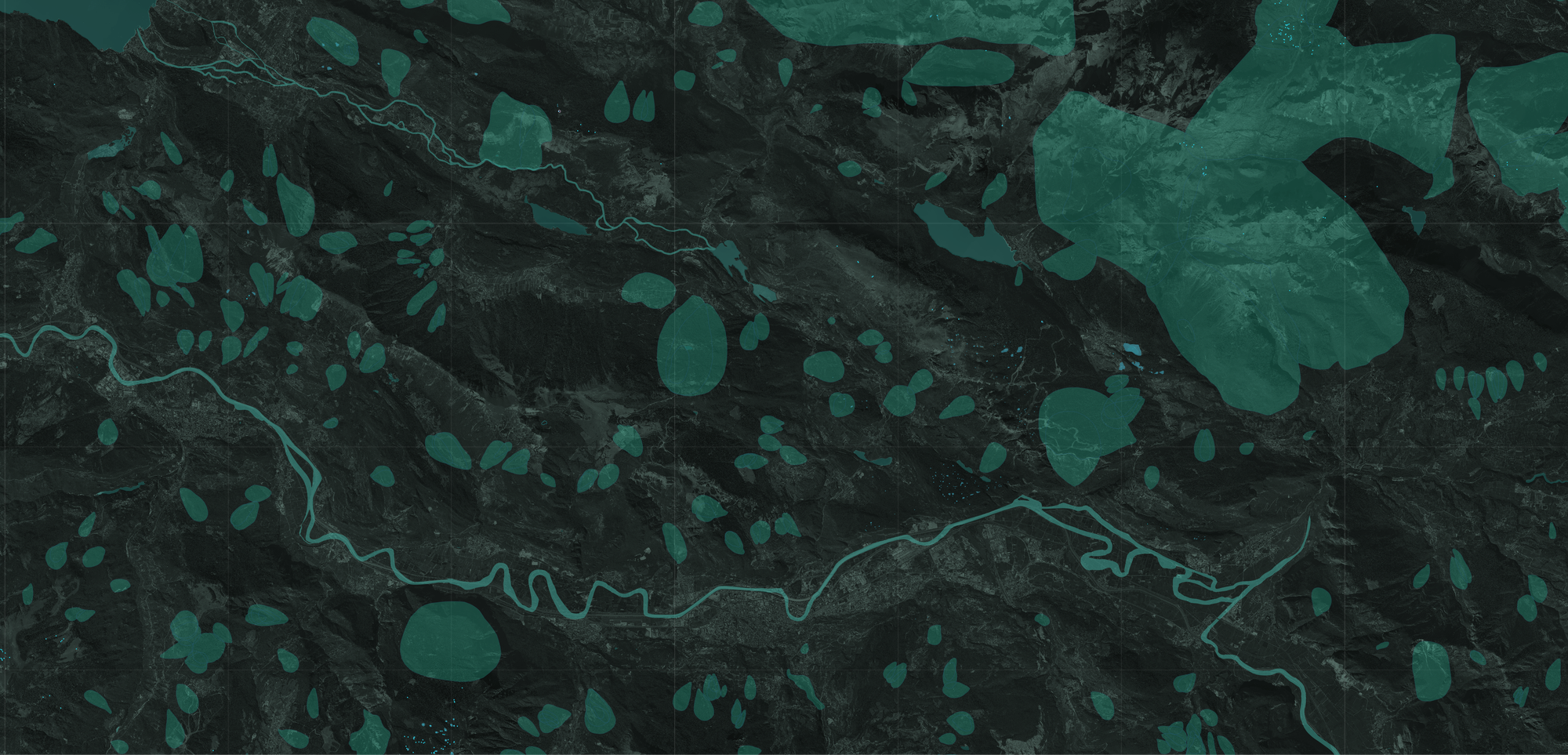
The Rain Paths is an artistic project that emerges from a poetic exploration of the traces left by rain, surface runoff, and underground water flows. The project builds on a previous participatory experience developed in the Préalpes d’Azur Regional Natural Park in France, Les sentiers de la pluie (The Rain Paths), where it was initiated in collaboration with local schools and communities.
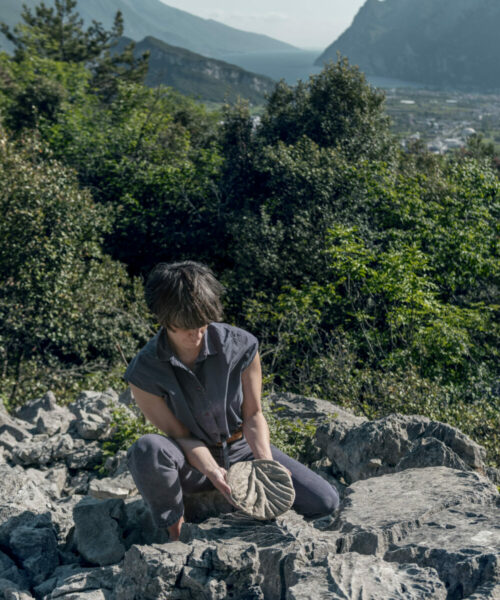
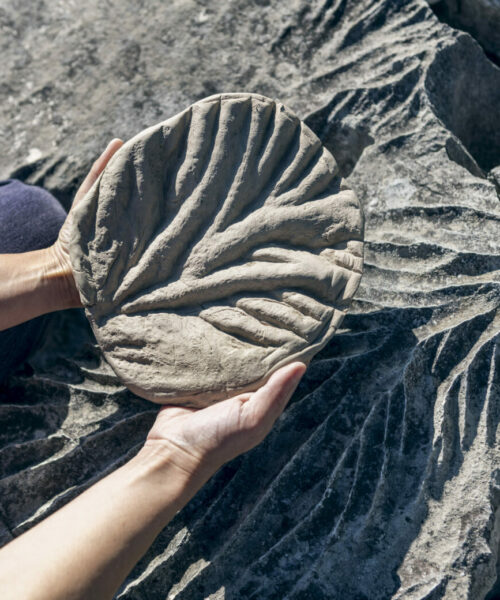
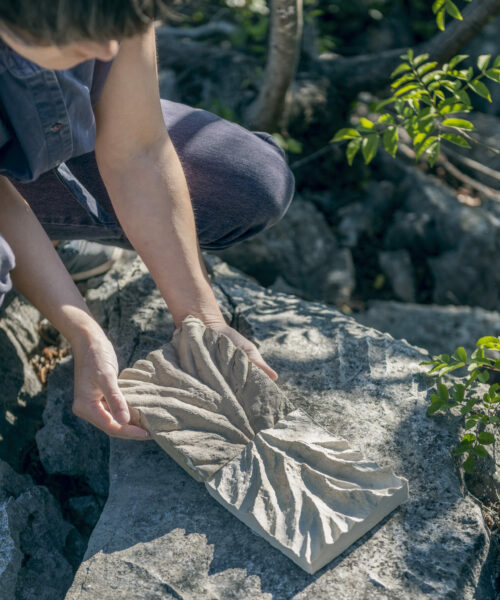
In Trentino, the project invites local communities to observe and interpret the subtle marks that water leaves on rocks and across the landscape. Through plaster casts made directly from karst surfaces—or sculpted from observation and memory—a poetic, site-specific archive gradually takes shape.
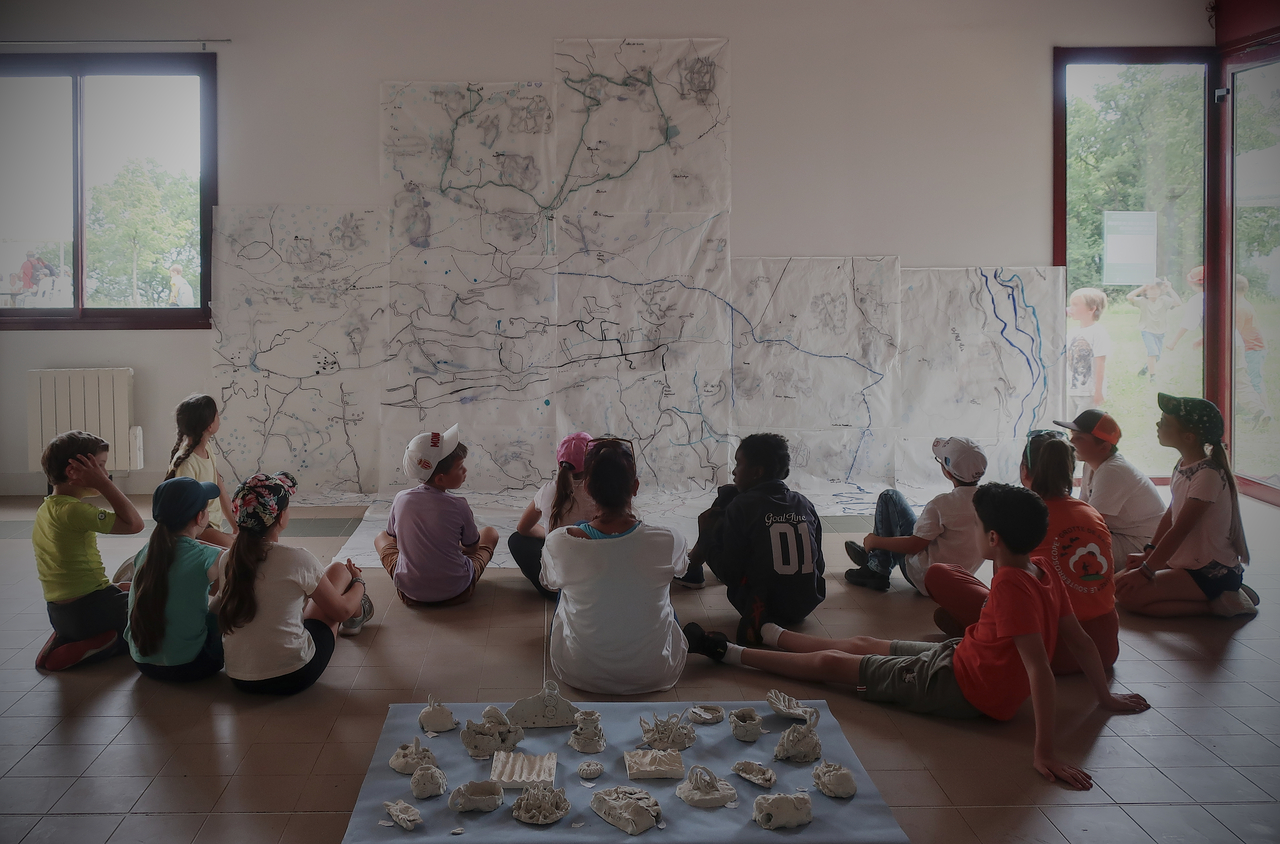
This process unfolded through a participatory approach, with workshops developed in collaboration with La Foresta and MUSE, involving the groups Ecolab, Officina Dinamica, and 33trentiniarte.
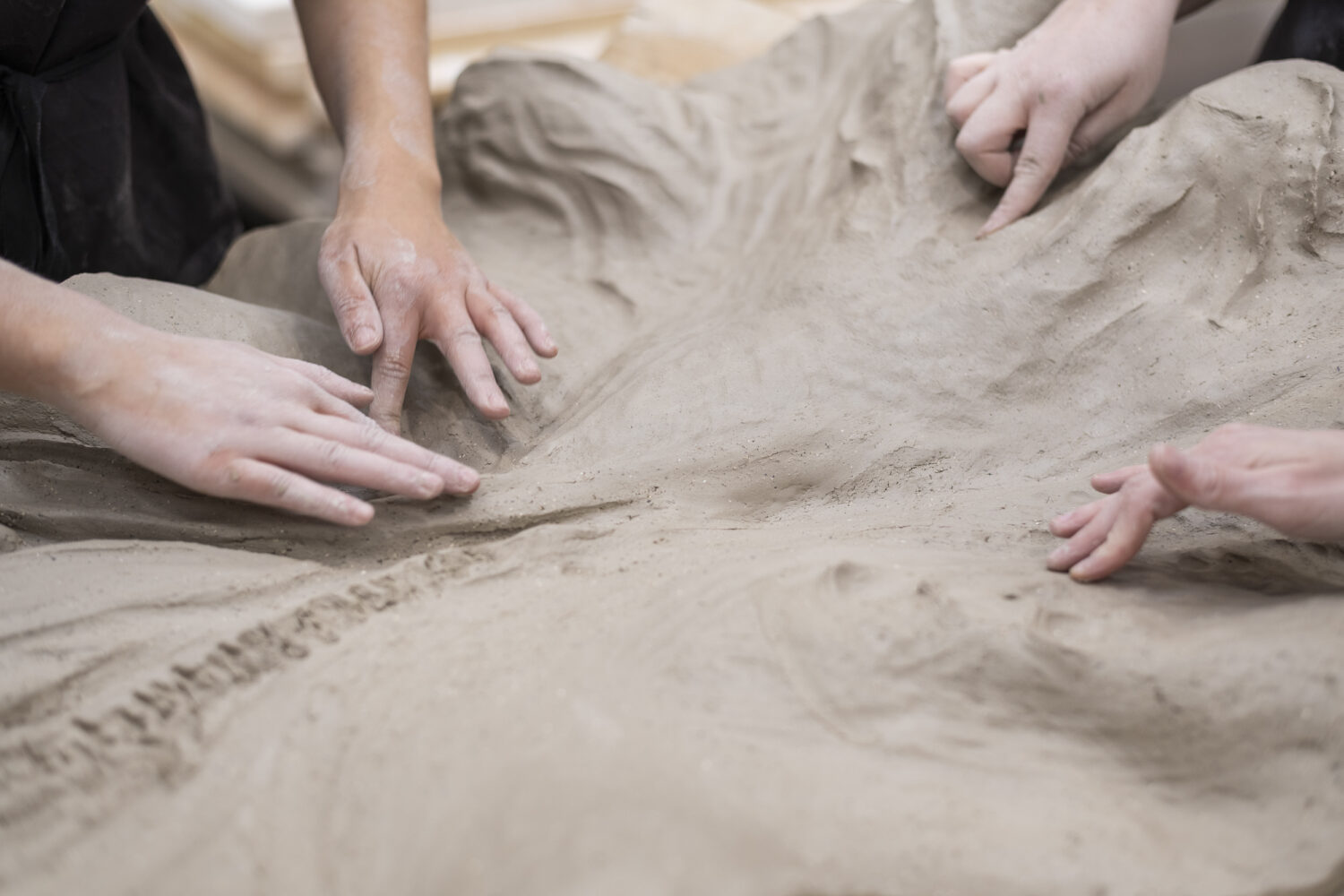
The workshops, gathered under the title Farsi Acqua (Becoming Water), were conceived as moments of collective research and creation. Participants were invited to explore the forms shaped by water through sensory practices and sculptural modelling, while imagining together structures capable of receiving, holding, and collecting water.
Following the workshops, participants contributed to the creation of the final installation: a space, a "horizontal monument" inspired by the doline (karst sinkhole), designed to collect rainwater and foster forms of multispecies coexistence. This prototype becomes a horizontal monument to water as a common good, bringing together art, science, and community in a process that strengthens ecological awareness while creating a functional and symbolic place of encounter.
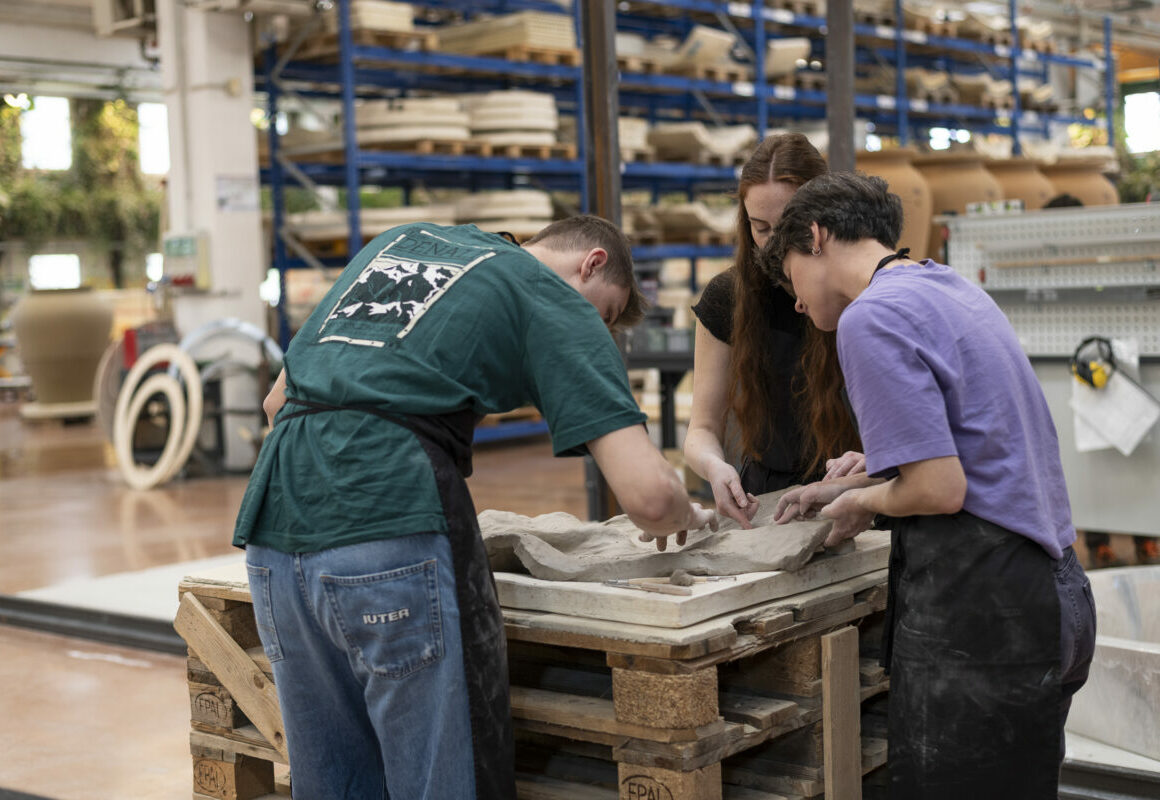
The work took shape during a series of participatory building days held at Azienda Tava in Mori.
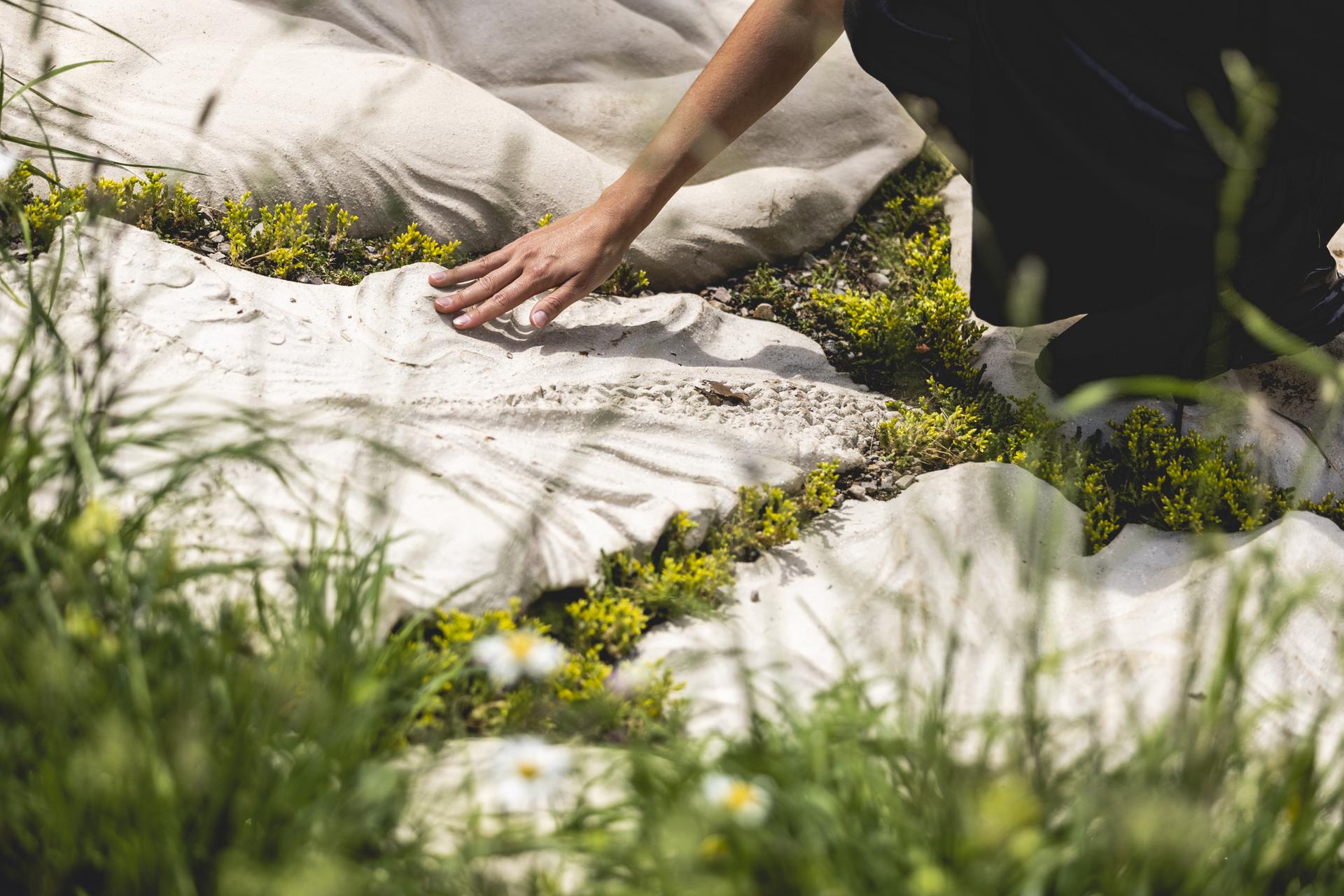
The modules created collectively were ultimately installed in the landscape at the Viote Alpine Botanical Garden on Monte Bondone.
(c) Valentina Casalini
The Water Sculptures Collection
During the research phase, the artist created a collection of casts directly on the territory, observing the forms generated by water on karst surfaces. These fragments become a poetic archive of the traces left by time, erosion, and the slow movement of water.
The Karst Landscape
The karst landscape is a geological phenomenon shaped by the action of water on soluble rocks, especially limestone. Rainwater, enriched with carbon dioxide from the atmosphere and soil, becomes slightly acidic and slowly dissolves the rock, creating surface and underground formations over time.
Among these are karren, grooves and channels sculpted into the surface of the rock, and dolines, natural depressions that collect and retain water, allowing it to infiltrate towards aquifers.
THE WORKSHOPS
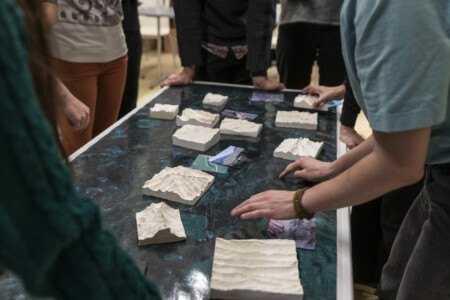
Farsi Acqua is a workshop that invites participants to imagine and model forms inspired by karst phenomena, designed to collect water and create an interspecies habitat. Through sharing ideas and collective creation, participants are invited to imagine rain paths and contribute to the creation of the participatory work, The Rain Paths.
From July 10 to September 13, 2026, the creative processes that led to the development of "The Rain Paths" will also be the focus of the S+T+ARTS AQUA MOTION Project Room at Palazzo delle Albere, Trento.
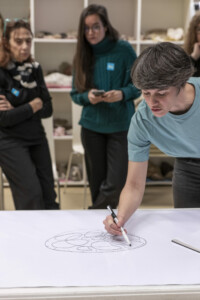
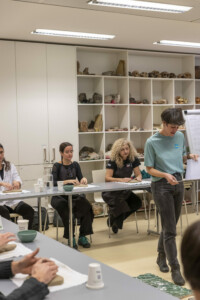
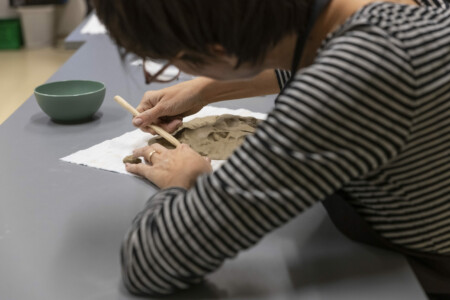
Some shots from the first workshop, with the 33 Trentini Arte group led by Giusi Campisi. Photo by Valentina Casalini
CREATION DAYS IN THE FACTORY
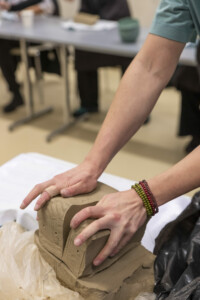
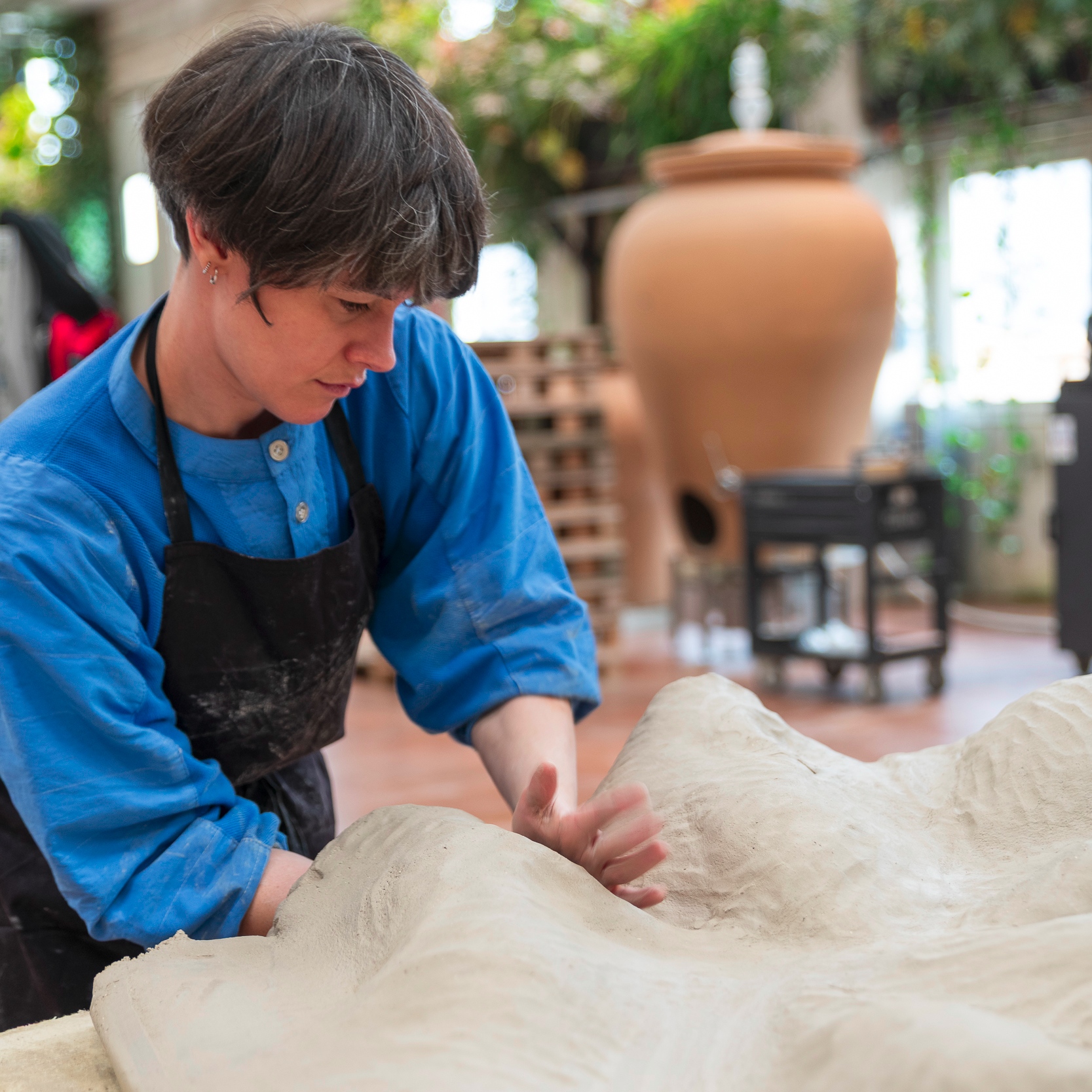
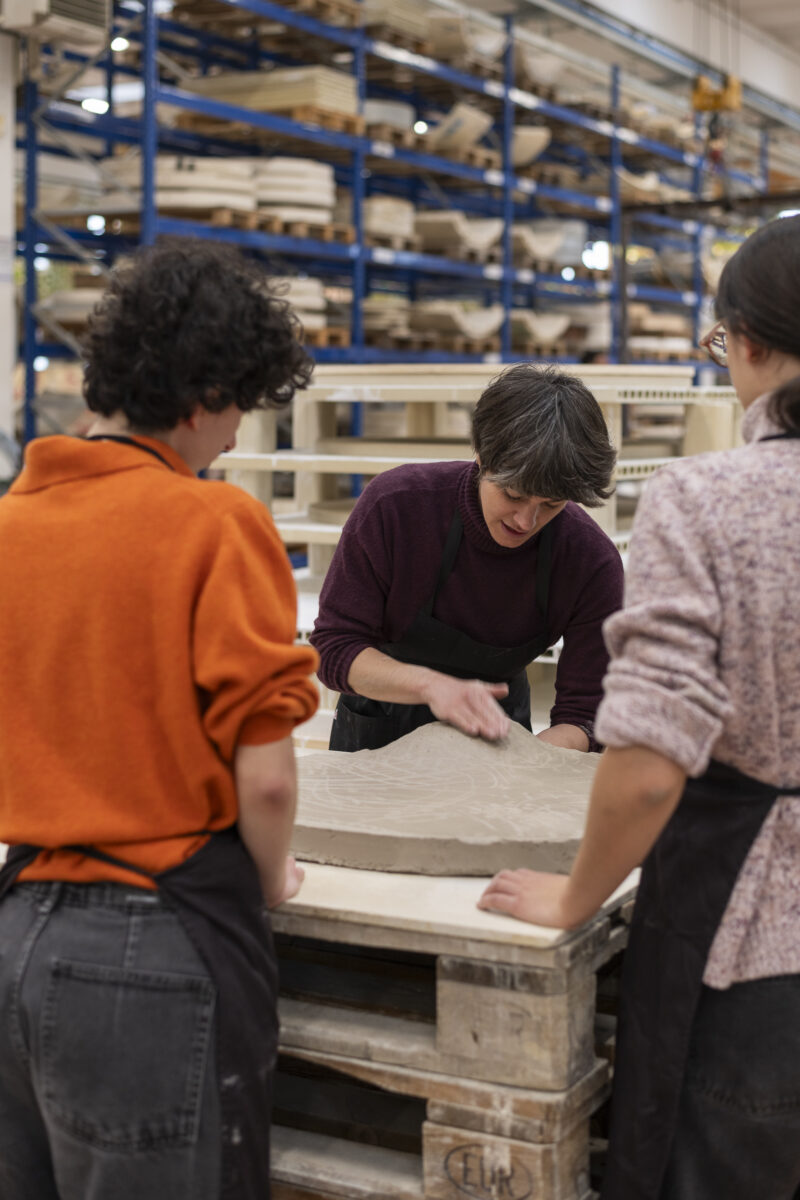
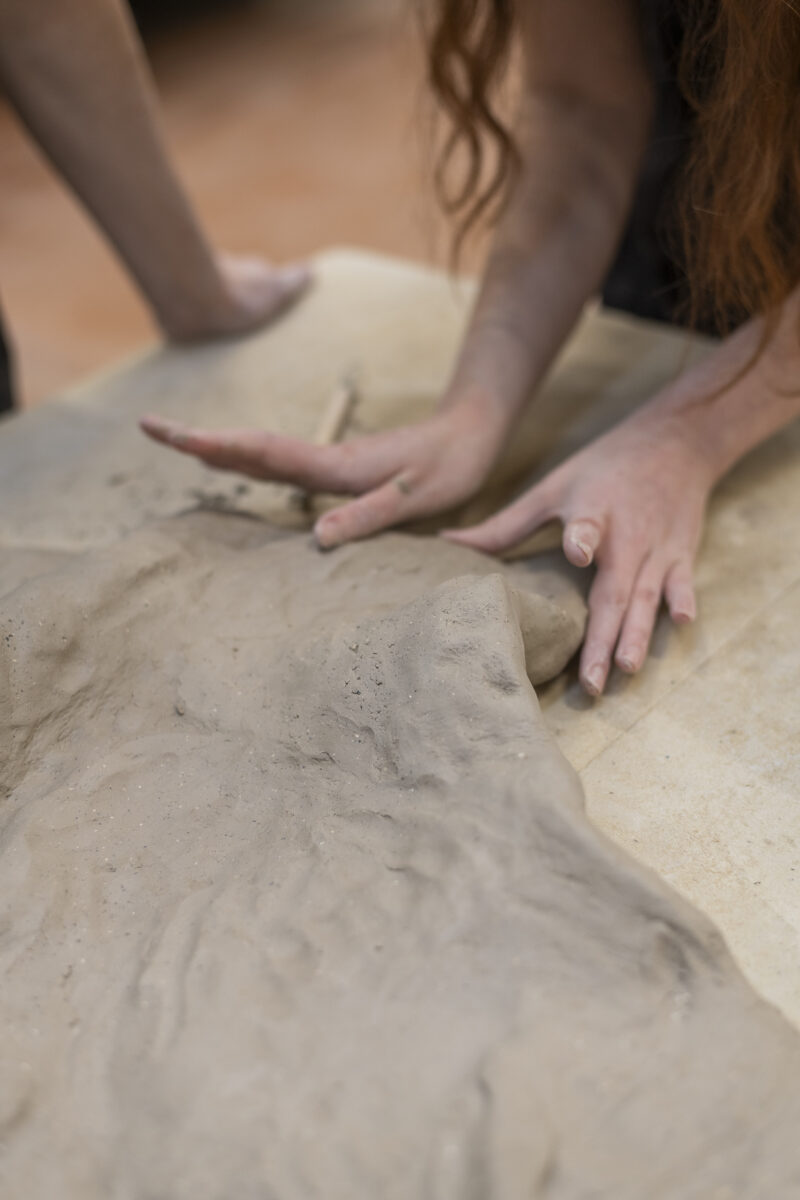
Micol Grazioli offers participants of the Farsi Acqua workshop a creative experience within a factory setting. Some of them, after experimenting with the forms of water, had the opportunity to take part in the actual making of the artwork alongside the artist at the Tava factory in Mori.
(C) MUSE - Ph. Michele Purin
THE SITE-SPECIFIC INSTALLATION
The collectively created modules make up the final installation, which is now open until October 4, 2026, at Viote del Monte Bondone.
"The Rain Paths" is an accessible and walkable space. Its circular and concave composition recalls the shape of a sinkhole, a water portal, and evokes an amphitheater, a meeting place and interspecies connection.
The work, inaugurated on the occasion of the summer solstice at high altitude, can be visited inside the Viote Alpine Botanical Garden, the territorial headquarters of the MUSE.